
title: "How to find brand deals as a small creator in 2026" excerpt: "Pitching brands cold is the slowest path. Marketplaces that come to you are the fastest. The honest stack for creators between 10K and 100K followers." publishDate: "2026-05-16" audience: "creator" keyword: "how to find brand deals as a small creator" keywordCluster:
- "brand deal outreach small creator"
- "getting first brand deal"
- "how to pitch brands"
- "creator deal pitch template"
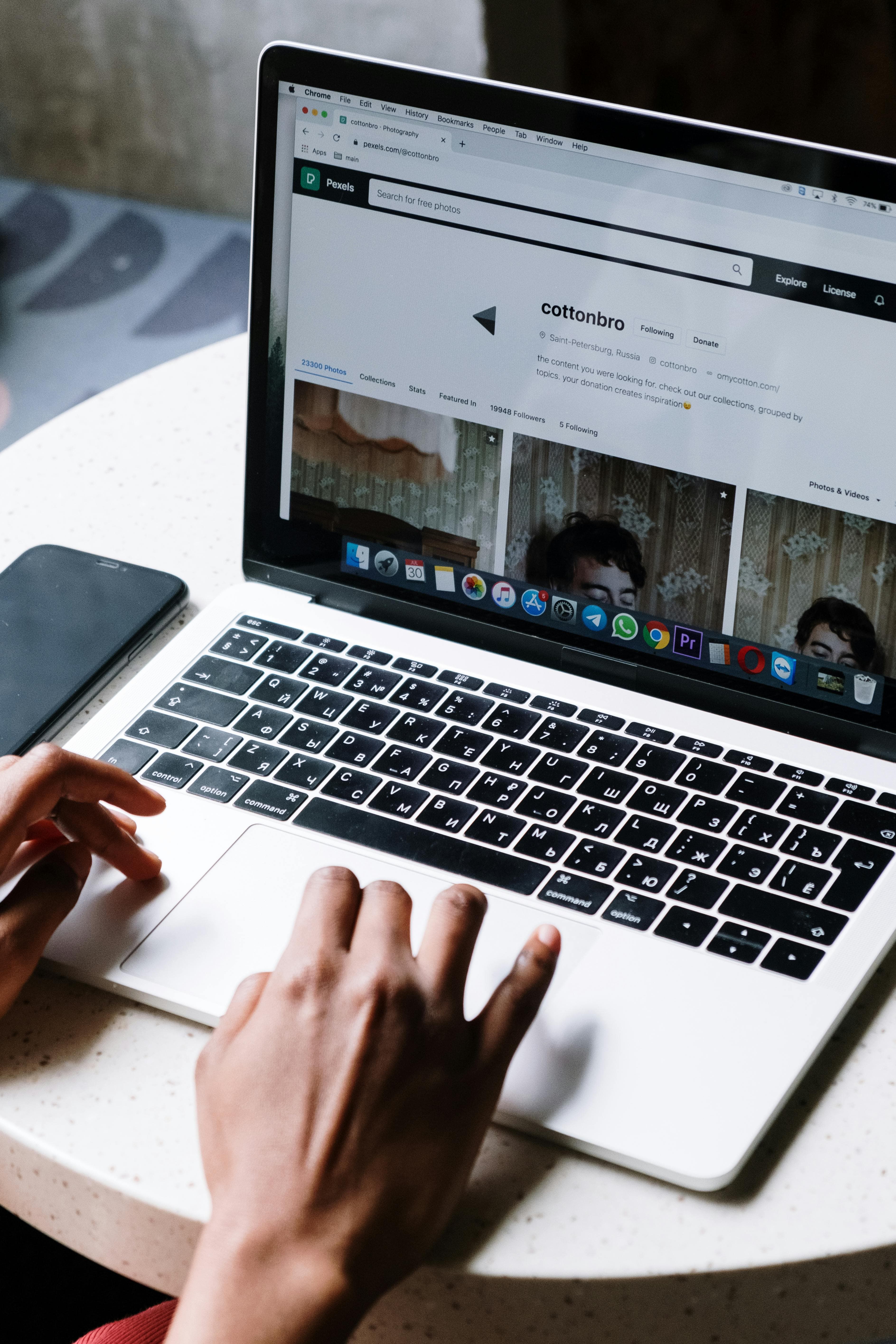
- "brand deal platforms small creators" heroImage: url: "https://images.pexels.com/photos/5054211/pexels-photo-5054211.jpeg" alt: "A person typing on a laptop in a café, working on creative content" photographer: "Cottonbro" photographerUrl: "https://www.pexels.com/@cottonbro" metaTitle: "How to find brand deals as a small creator in 2026" metaDescription: "Find brand deals as a small creator: marketplaces (fastest), agencies (slow), cold outreach (slowest). The honest stack for 10K-100K-follower creators."
How to find brand deals as a small creator is the same question creators have asked since 2018, with one important update for 2026: the answer is no longer "pitch brands cold." Cold outreach worked in 2019 because brand-side teams had no inbound flow of creator pitches. By 2026, every brand-side marketing manager gets 40+ DMs a week from creators offering to "collab," and the noise has destroyed the channel.
The new answer is structural. The fastest way to find brand deals as a small creator is to join the platforms where brands are actively looking for creators with your follower size. The slowest way is to compete for attention in a brand's DMs.
The four channels, ranked by speed
In order from fastest to slowest deal velocity for a 10K-100K creator in 2026:
- Verified-view CPM marketplaces — ClipReach, Performance Collab, and similar platforms. Brands list campaigns with budgets and CPMs. You apply. Time from signup to first deal: 1-7 days for accepted applications.
- Flat-fee creator marketplaces — Aspire, Collabstr, Upfluence, the legacy roster. Brands either browse or post briefs. Time from signup to first deal: 1-3 weeks.
- Creator agencies — Pearpop, Whalar, Viral Nation, and others. You sign with the agency; they shop your roster to brands. Time from sign to first deal: 1-3 months. Typically agency takes 15-30% commission.
- Direct cold outreach — DMing or emailing brand-side marketing managers. Time from first outreach to first deal: 2-6 months with significant volume. Conversion rates well below 1%.
The pattern: structured platforms (channels 1-3) are dramatically faster than direct outreach (channel 4). The platform takes a fee, but the time saved is worth more than the fee for almost every creator in the 10K-100K range.
Why getting your first brand deal works differently below 25K followers
The brand deal economy splits at roughly 25K followers in 2026. Above 25K, brands proactively look for creators in your tier. Below 25K, you're more often applying to campaigns than being approached for them.
This isn't a quality judgment; it's an attention-allocation issue. Brand-side teams have limited time. A campaign manager picking creators for a $5,000 budget will skim 50 100K-follower applications faster than they'll source 200 10K-follower applications. Smaller creators have to take initiative.
The good news: the initiative-taking is structured, not random. Three concrete actions for a 10K creator in 2026:
- Sign up to two marketplaces in your niche. One verified-view CPM, one flat-fee. Apply to every campaign that fits your follower count and content style for the first month. The application volume builds your portfolio of pitch templates faster than any course on cold outreach.
- Maintain a "media kit" you can attach to applications. A 1-page PDF or Notion page showing your last 10 posts' view counts, audience demographics from your platform analytics, your best-performing video formats, and your contact info. Update it monthly.
- Track which applications get accepted vs rejected. After 20 applications, you'll see patterns — your engagement rates work for some niches and not others. Focus future applications on the niches that accept you.
The cold outreach trap
A lot of creator-coaching content sells "DM templates" and "outreach scripts" as if cold outreach were the primary path to brand deals. For creators below 100K followers in 2026, it usually isn't. The reasons:
- Volume requirement. A 0.5% conversion rate (one deal per 200 well-targeted cold emails) means you need to send 200 cold emails to land one $300 deal. That's a 6-12 hour outreach project per deal. The hourly rate is terrible.
- Brand-side fatigue. Marketing managers receive 30-60 creator pitches a week. Most go unread.
- Pricing weakness. When you cold-pitch a brand, they don't know your delivered-view rates, your engagement, or your audience match. They price defensively, which is the lowest CPM tier.
The exception: if you have an existing relationship with someone at a brand, or if you've already worked with a brand in a similar niche, a warm pitch via that connection converts at much higher rates. But that's leverage, not outreach.
The pitch template content is not useless. It's useful for the 5-10% of cold outreach that does convert. It's not a replacement for joining the marketplaces where brands are actively looking.
What a good first brand deal application looks like
When you apply to a campaign on a marketplace, the brand sees a small profile card: your handle, your follower count, your last 5 post performance, and a short message you write. The message is where most creators self-sabotage.
A bad message:
"Hey! I'd love to collab on this campaign. I'm a great fit and have a really engaged audience. Let me know if you're interested!"
A good message:
"Posting style: 30-second product walkthroughs, casual handheld. Last 5 videos averaged 42K views with 3.8% engagement. My audience skews 18-24 women in fitness/wellness, which matches your campaign brief. Available to post within 5 days."
The difference is concrete data the brand-side reviewer can plug into a decision. They're reviewing 50 applications; the ones with numbers go to the top.
This becomes second nature after about 10 applications. The first few feel awkward. Push through.
What to avoid below 100K followers
Three traps that systematically waste time for small creators:
- Buying followers to look bigger. Marketplaces with verification (any decent verified-view CPM platform) catch purchased followers in the first 48 hours. The ones that don't catch it pay the lowest CPMs to compensate. Either way you lose.
- Signing exclusive deals with one brand. Exclusivity is worth real money only if the brand pays a premium for it. A first-deal $500 contract that includes 6 months of category exclusivity is structurally bad — you're locked out of an entire niche for what should be a one-off post.
- Letting an agency take 30% of your first deal. Most agencies want creators with proven deal history. If an agency is signing you as a sub-25K creator, they're either signing you as a long-shot bet (and won't actively shop you to brands) or they're farming your applications and taking commission for work you would have done anyway. Marketplace fees of 10-20% are more transparent.
The realistic timeline
For a 10K creator who joins two marketplaces and applies to 20+ campaigns in their first month: first paid deal typically lands in week 1-3. First $500+ deal typically lands in month 2-3. Consistent $1,000+/month brand-deal income typically reaches by month 6-12.
This timeline assumes you're posting consistently, your average post views are at or above your follower count, and you're applying to campaigns that match your niche. If any of those break, the timeline stretches.
For ClipReach specifically: browse current campaigns, filter by audience size, and apply to any that match your style. The application is free. Read how to monetize 10k TikTok followers for the math on what brand deals at your size actually pay, and UGC vs CPM creator deals for which deal type to optimize toward.